
The practical differences that decide it
Weekly injection: one event, no food rules, a needle. Daily tablet: no needle, but an empty stomach, water only, and a waiting period before anything else every single morning. People underestimate how much the second one asks.
Why the numbers look so different
Injection delivers nearly all of the dose into circulation. An oral formulation relies on an absorption enhancer to protect the peptide and help it cross the stomach lining, and only a small percentage arrives. That is why oral milligram figures are far larger and cannot be compared one-to-one.
Tolerability is not identical
Both routes share the same family of gastrointestinal effects. Oral users more often describe reflux and morning queasiness tied to the fasted dose; injection users more often describe effects clustered in the day or two after a dose.
Semaglutide acts on the GLP-1 receptor – the same signalling your gut uses after a meal.
Who tends to prefer which
People with needle aversion, or who travel with cold-chain difficulty, often prefer the tablet. People who dislike morning routines, or who want one weekly decision instead of seven, usually prefer the injection.
What is identical
Both are prescription-only, both require a clinician evaluation, both work best alongside protein and resistance training, and compounded versions of either are not FDA-approved or reviewed by FDA for safety, effectiveness or quality. See the 30-second film answers for this medication.
Administering it correctly, in plain terms
Follow the instructions your dispensing pharmacy provides with your specific preparation, because concentration differs between products and that is what determines the volume you draw. Most weekly peptide injections are subcutaneous, into fat rather than muscle, using the abdomen away from the navel, the outer thigh, or the back of the upper arm. Rotating the site each week reduces local irritation. Supplies arrive with the shipment: syringes, alcohol swabs, and a sharps container. Units and milligrams are not interchangeable, and confusing them is the most common self-administration error, which is why units versus milligrams exists as its own article. If anything about your dose, volume, or schedule is unclear, contact the pharmacy or your clinician before injecting rather than estimating.
FDA has warned about dosing errors reported with compounded GLP-1 products.
How semaglutide works on the GLP-1 receptor
Semaglutide is a GLP-1 receptor agonist. GLP-1 is an incretin hormone your intestine releases after eating; it prompts insulin release when glucose is elevated, slows gastric emptying, and signals satiety in the hypothalamus. Semaglutide binds the same receptor, and structural modifications give it a long half-life, which is what makes once-weekly dosing possible for the injectable form. It acts on one receptor rather than two, which is the pharmacological difference from tirzepatide. According to the FDA prescribing information for semaglutide products, that mechanism is the basis of the approved indications. Oral semaglutide reaches the same receptor by a different route and carries strict dosing conditions as a result, which oral versus injectable semaglutide covers. Whether any form suits you is decided by a licensed clinician after an evaluation.
What compounded means, and what it does not
A compounded preparation is made by a licensed pharmacy for an individual patient on receipt of a valid prescription. Compounded drugs are not FDA-approved, and FDA does not review them for safety, effectiveness, or quality before they are marketed. That is a statement about regulatory pathway, not an accusation about any particular pharmacy, and it is why the distinction matters more than marketing language does. A compounded preparation is not a generic and not an equivalent of any FDA-approved brand product. Published clinical trials such as STEP-1 studied the branded product at studied doses; those findings should not be assumed to transfer. What compounded means unpacks the legal framework, and red flags when buying online covers how to tell a legitimate pharmacy from a grey-market seller.
Why side effects are mostly digestive, and mostly early
Because the receptors semaglutide acts on sit in the gut and the brainstem, the predictable effects are digestive: nausea, reflux, constipation, diarrhoea, and a feeling of fullness that arrives sooner than expected. According to FDA prescribing information for semaglutide products, gastrointestinal reactions are the most commonly reported adverse events, and they are dose-related for many people. The practical implication is that they tend to cluster around a dose change rather than persist indefinitely. Serious risks are listed separately in the label, including pancreatitis, gallbladder disease, and a boxed warning for thyroid C-cell tumours in rodents. Those are not common, but they are the reason the medication is prescription-only. Report severe or persistent abdominal pain, vomiting that stops you keeping fluids down, or vision changes to your clinician promptly rather than waiting for a scheduled check-in.
Your intake goes to a licensed clinician, not an algorithm.
Frequently asked questions
Can I switch routes if one does not suit me?
That is a clinical decision including how the dose is handled. Never convert a dose between routes yourself.
Is one more effective?
Comparative data for compounded preparations are limited. Adherence usually decides the real-world outcome more than the route does.
How do I inject semaglutide?
Follow the instructions supplied with your specific preparation. Weekly peptide injections are generally subcutaneous, into the abdomen away from the navel, the outer thigh, or the back of the upper arm, rotating the site each week. Contact the pharmacy before injecting if anything about your dose or volume is unclear.
Where do you inject semaglutide?
Subcutaneous sites are the abdomen, outer thigh, and back of the upper arm. Rotating between them reduces local irritation. Your dispensing pharmacy provides site guidance for your preparation.
How long do semaglutide side effects last?
Gastrointestinal effects are dose-related for many people, so they commonly cluster around a dose change and settle as the body adapts. Persistent or severe symptoms are a reason to contact your clinician rather than wait.
Are brand-name semaglutide products the same?
Both contain semaglutide, but they are separate FDA-approved products with different approved indications and dosing. Neither is the same as a compounded semaglutide preparation, which is not FDA-approved.
Let a clinician pick the route you will actually keep
Three minutes, Rx only, refunded if you are not prescribed.
Rx only. A licensed clinician decides whether treatment is appropriate and may determine that no treatment, or a different treatment, is right for you. Compounded medications are not FDA-approved and are not reviewed by FDA for safety, effectiveness, or quality before marketing. Individual results vary.
Sources
Clinical trials listed below evaluated FDA-approved products at the doses studied. They are cited as published science, not as evidence about any compounded preparation, which is not FDA-approved and has not been evaluated by FDA for safety, effectiveness, or quality.
- Peer-reviewedTriplitt C et al. Current understanding of SNAC as an absorption enhancer: the oral semaglutide experience. Clin Diabetes 2024;42(1):74-86
- FDAFDA: FDA to telehealth companies, what to know when promoting compounded drugs
- FDA databaseDrugs@FDA: search approved labeling for semaglutide
- Peer-reviewedSTEP-1: Once-Weekly Semaglutide in Adults with Overweight or Obesity (NEJM 2021)
Spotted something inaccurate? Report an error – corrections are logged per our editorial standards.
More on Oral Semaglutide
Same medication, different question.
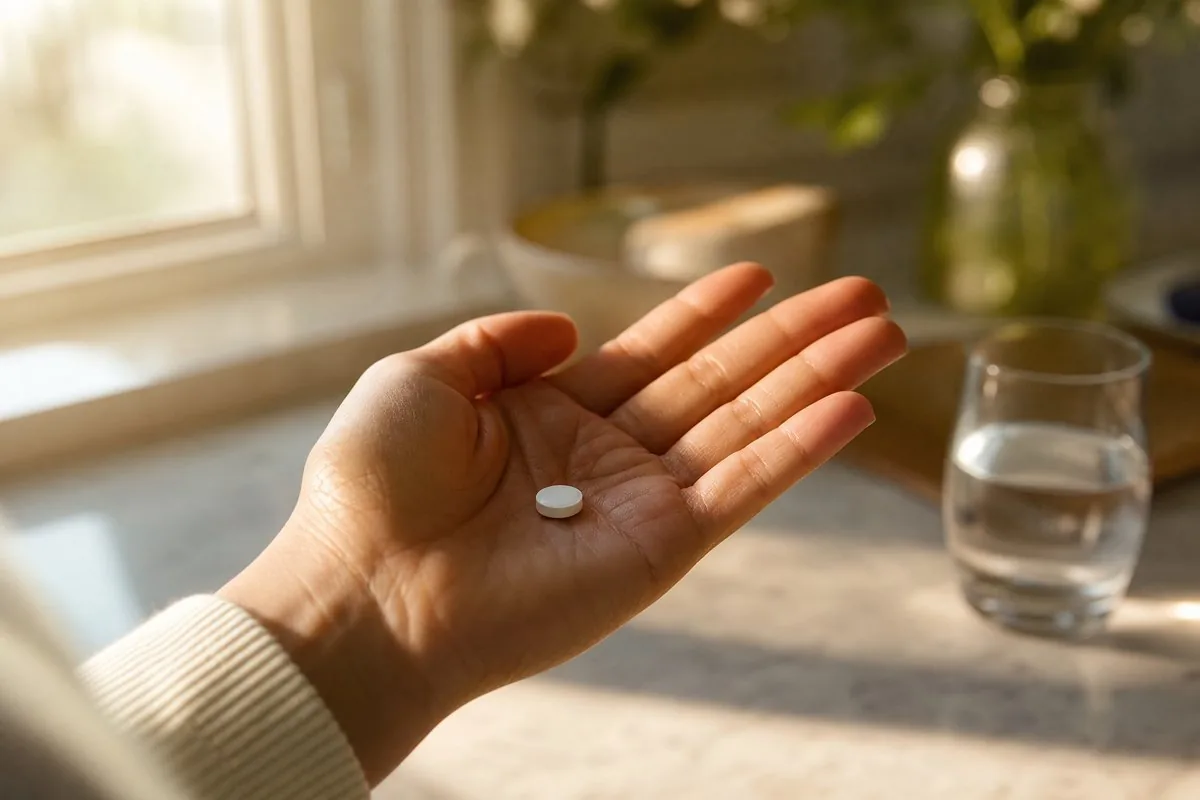


Daily tablet or weekly injection is their call, or neither. The tablet option is explained on oral semaglutide.