What it does in the body
Glutathione sits at the center of your cells' defense against oxidative stress – it neutralizes reactive molecules and helps recycle other antioxidants. The liver uses it heavily, which is why it comes up in detox conversations.
What works against it
Heavy alcohol use consumes glutathione directly – the liver spends it processing acetaldehyde. Smoking, chronic high-dose acetaminophen, poor sleep, and a protein-poor diet also drain or starve the supply. If you are supplementing while keeping those habits, you are filling a leaking bucket.
Injection versus capsules
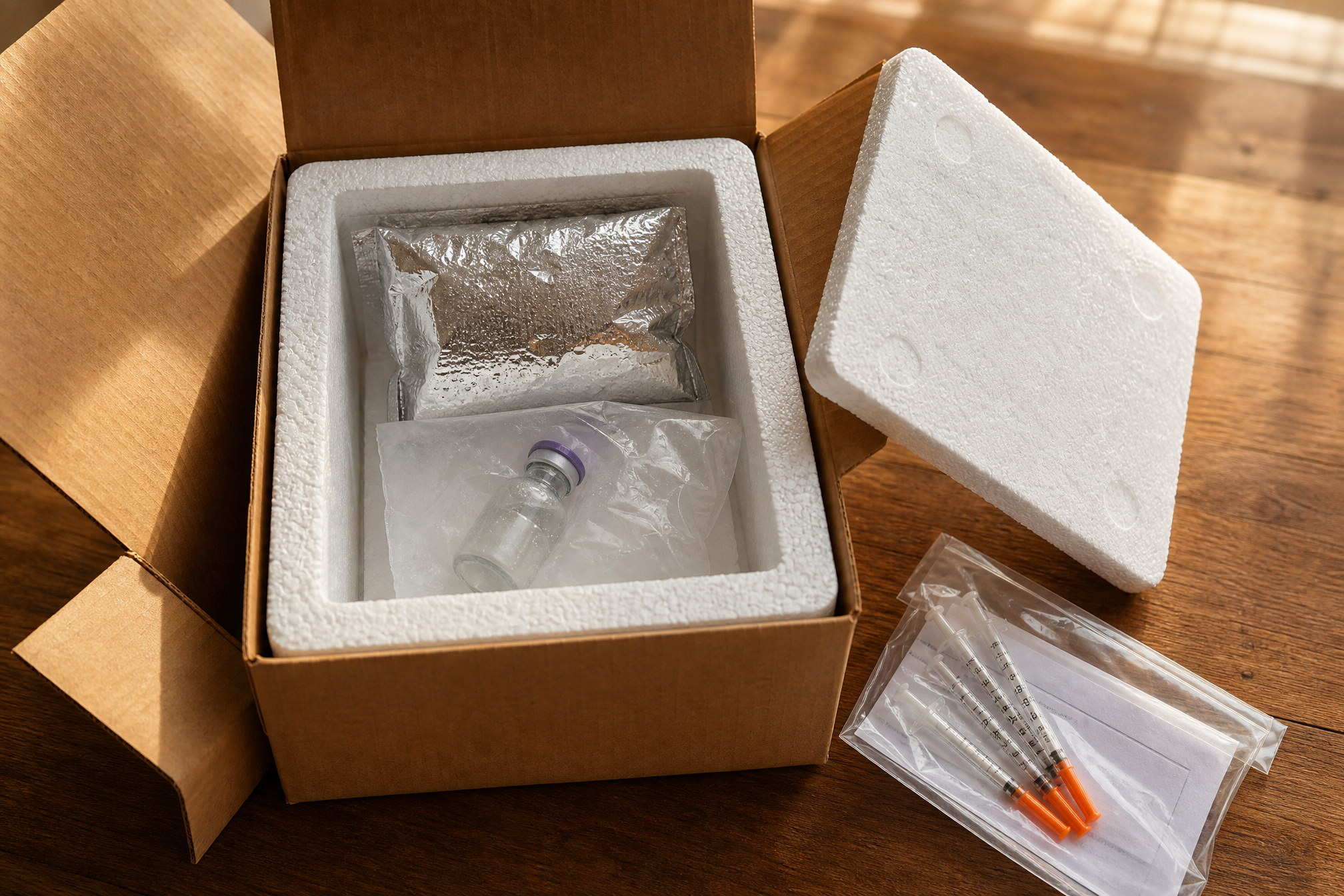
Oral glutathione is substantially broken down in digestion; injection bypasses that, which is why clinician-guided programs use it. Whether that is appropriate for you is a clinical decision, not a wellness-menu pick.
NAD+ is a coenzyme required by every cell to convert nutrients into usable energy.
What to pair it with
Adequate protein (glutathione is built from amino acids), moderate alcohol at most, and the sleep your system needs to run repair cycles. The medicine supports the system; the habits decide the baseline. See the 30-second film answers for this medication.
What glutathione is and why the liposomal form exists
Glutathione is a tripeptide of glutamate, cysteine, and glycine, made inside your own cells. It is the body’s principal intracellular antioxidant and a required cofactor for glutathione peroxidase, the enzyme that neutralises peroxides. It also participates in phase II liver detoxification, conjugating compounds so they can be excreted, which is why paracetamol overdose depletes it. Taken as a plain oral supplement, glutathione is largely hydrolysed into its constituent amino acids in the gut, so little intact tripeptide is absorbed. A liposomal preparation encloses the molecule in a phospholipid layer intended to survive that passage. Whether that translates into a meaningful rise in intracellular glutathione, and whether such a rise produces a clinical benefit, is not established. Compounded preparations are not FDA-approved.
What it is reasonable to expect, and what is marketed
Glutathione is heavily marketed for skin lightening and for detoxification, and both claims deserve scrutiny. FDA has warned about injectable skin-whitening products sold online, and no glutathione product is FDA-approved for skin lightening in the United States. Detoxification is a real biochemical process, but the word is used in marketing to mean something vaguer than the liver chemistry it borrows from. What can be said accurately is that glutathione has a well-characterised antioxidant role, that levels can be depleted by illness, alcohol, and certain drugs, and that supplementation raising blood levels has been reported in some studies. Anything past that is an open question. A licensed clinician decides whether a preparation is appropriate for you.
Compounded medications are not FDA-approved.
How it is administered, and what that changes
Glutathione preparations are marketed orally, as liposomal formulations, and as injectables, and the route drives the entire bioavailability question. Plain oral glutathione is largely hydrolysed into its constituent amino acids before absorption. Liposomal preparations aim to protect the intact tripeptide through the gut. Injection bypasses digestion altogether. What no route has established is a specific clinical outcome from raising glutathione levels in an otherwise healthy adult. Compounded preparations are not FDA-approved, and FDA does not review them for safety, effectiveness, or quality before marketing. What compounded means explains the framework.
Safety, interactions, and who decides
Glutathione is generally described as well tolerated in the short term, with the caveat that long-term data in healthy adults is limited. The specific concerns worth raising with a clinician are asthma, since inhaled glutathione has been associated with bronchoconstriction, and any active cancer diagnosis, because antioxidant effects on treatment are an open question rather than a settled non-issue. Anyone pregnant or breastfeeding should raise that as well. A licensed clinician reviews your history and decides whether a preparation is appropriate for you at all.
Ten minutes now, and a licensed clinician tells you where you actually stand.
Frequently asked questions
What should I avoid while taking glutathione?
Heavy alcohol, smoking, and regularly maxing acetaminophen – all directly consume or suppress glutathione. Ask your clinician about your full medication list.
Is glutathione a peptide?
Chemically yes – a tripeptide of three amino acids: glutamate, cysteine, and glycine.
Does it lighten skin?
Skin-tone change is a reported cosmetic effect at some doses, not an approved use, and not something PinwellRx programs target. Talk to a clinician about realistic expectations.
What is glutathione?
Glutathione is a tripeptide of glutamate, cysteine, and glycine made inside your own cells. It is the principal intracellular antioxidant and a cofactor in liver phase II detoxification.
What does glutathione do?
It neutralises peroxides via glutathione peroxidase and conjugates compounds for excretion. Whether supplementation produces a specific clinical outcome is not established.
What is liposomal glutathione?
A preparation that encloses glutathione in a phospholipid layer intended to survive digestion, since plain oral glutathione is largely hydrolysed in the gut.
Ask whether glutathione fits your plan
A licensed clinician reviews your history and decides what is appropriate. Rx only, refunded in full if you are not prescribed.
Rx only. A licensed clinician decides whether treatment is appropriate and may determine that no treatment, or a different treatment, is right for you. Compounded medications are not FDA-approved and are not reviewed by FDA for safety, effectiveness, or quality before marketing. Individual results vary.
Sources
Clinical trials listed below evaluated FDA-approved products at the doses studied. They are cited as published science, not as evidence about any compounded preparation, which is not FDA-approved and has not been evaluated by FDA for safety, effectiveness, or quality.
- Peer-reviewedPizzorno J. Glutathione! Integr Med (Encinitas) 2014;13(1):8-12
- FDAFDA. Compounding and the FDA: questions and answers
- Research databaseSearch the literature: glutathione supplementation bioavailability
- FDA safetyFDA: Injectable skin lightening products warning
Spotted something inaccurate? Report an error – corrections are logged per our editorial standards.
Keep reading
Other medications we write about.